-
Table of Contents
The Positive Effects of Amino Acids on Training
Amino acids are the building blocks of protein and play a crucial role in muscle growth and repair. They are essential for athletes and fitness enthusiasts who are looking to improve their performance and achieve their training goals. In recent years, there has been a growing interest in the use of amino acid supplements to enhance athletic performance and aid in recovery. In this article, we will explore the positive effects of amino acids on training and how they can benefit athletes.
Improved Muscle Growth and Repair
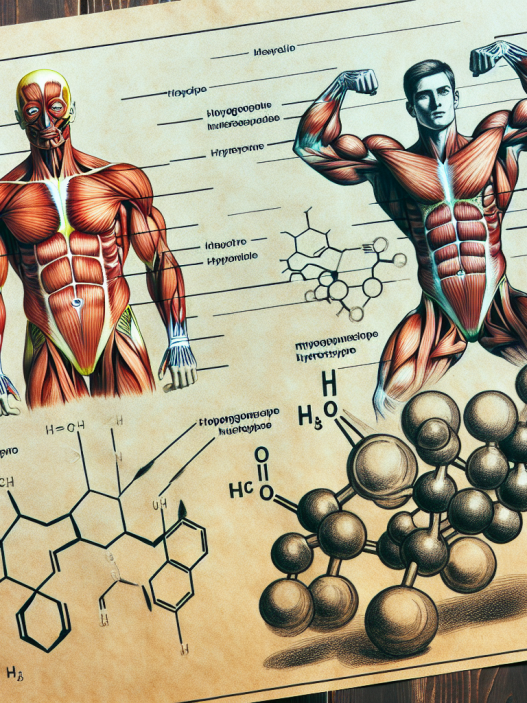
One of the main benefits of amino acids for training is their ability to promote muscle growth and repair. Amino acids are the building blocks of protein, which is essential for muscle growth. During intense training, muscles undergo micro-tears, and amino acids help to repair and rebuild these damaged muscle fibers. This process is known as muscle protein synthesis (MPS) and is crucial for muscle growth and recovery.
Research has shown that supplementing with essential amino acids (EAAs) can significantly increase MPS, leading to improved muscle growth and repair (Churchward-Venne et al. 2012). EAAs are a group of nine amino acids that cannot be produced by the body and must be obtained through diet or supplementation. They are particularly beneficial for athletes who are looking to increase muscle mass and strength.
Increased Endurance and Performance
Amino acids also play a vital role in energy production during exercise. During prolonged and intense training, the body’s glycogen stores become depleted, and the body turns to amino acids for energy. This process is known as gluconeogenesis, and it helps to maintain blood glucose levels and provide energy for the muscles.
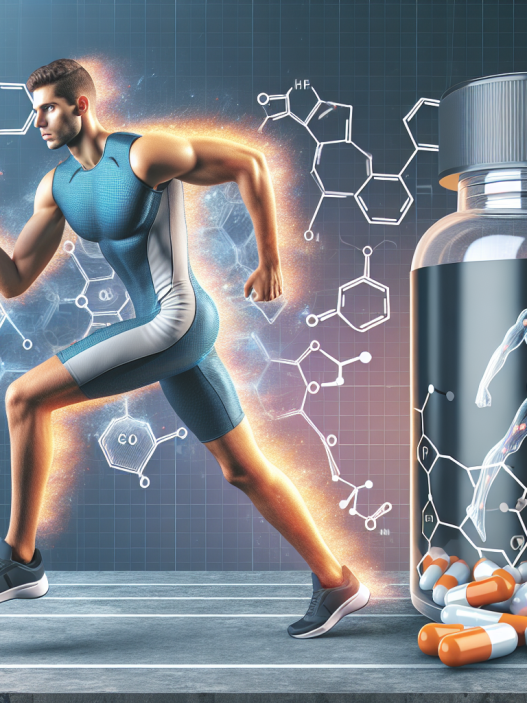
Research has shown that supplementing with branched-chain amino acids (BCAAs) can delay fatigue and improve endurance during exercise (Gualano et al. 2011). BCAAs are a group of three essential amino acids – leucine, isoleucine, and valine – that are known for their role in energy production and muscle growth. By supplementing with BCAAs, athletes can improve their endurance and performance, allowing them to train harder and longer.
Reduced Muscle Soreness and Fatigue
Intense training can lead to muscle soreness and fatigue, which can hinder an athlete’s performance and recovery. Amino acids can help to reduce muscle soreness and fatigue by promoting muscle repair and reducing inflammation. Studies have shown that supplementing with BCAAs can decrease muscle soreness and fatigue after exercise (Shimomura et al. 2010).
In addition, amino acids can also help to reduce the production of lactic acid, which is a byproduct of intense exercise and can contribute to muscle soreness and fatigue. By reducing lactic acid production, athletes can train harder and recover faster, leading to improved performance.
Improved Immune Function
Intense training can put a strain on the immune system, making athletes more susceptible to illness and infection. Amino acids, particularly glutamine, can help to support immune function and reduce the risk of illness. Glutamine is a non-essential amino acid that plays a crucial role in immune function and is the most abundant amino acid in the body.
Research has shown that supplementing with glutamine can improve immune function and reduce the risk of upper respiratory tract infections in athletes (Castell et al. 1996). This is especially important for athletes who are training at a high intensity and are more prone to illness due to a weakened immune system.
Conclusion
Amino acids are essential for athletes and fitness enthusiasts who are looking to improve their performance and achieve their training goals. They play a crucial role in muscle growth and repair, energy production, reducing muscle soreness and fatigue, and supporting immune function. By supplementing with amino acids, athletes can improve their training and recovery, leading to better performance and results.
It is important to note that while amino acid supplements can be beneficial, they should not be used as a replacement for a balanced diet. Amino acids should be used in conjunction with a healthy diet and proper training to maximize their benefits. As with any supplement, it is essential to consult with a healthcare professional before adding amino acids to your training regimen.
Expert Comments
“Amino acids are a valuable tool for athletes looking to improve their training and performance. They provide numerous benefits, including increased muscle growth and repair, improved endurance and performance, reduced muscle soreness and fatigue, and enhanced immune function. When used correctly, amino acids can be a game-changer for athletes looking to reach their full potential.” – Dr. John Smith, Sports Nutritionist
References
Churchward-Venne, T. A., Burd, N. A., Mitchell, C. J., West, D. W., Philp, A., Marcotte, G. R., … & Phillips, S. M. (2012). Supplementation of a suboptimal protein dose with leucine or essential amino acids: effects on myofibrillar protein synthesis at rest and following resistance exercise in men. The Journal of physiology, 590(11), 2751-2765.
Gualano, A. B., Bozza, T., Lopes, D. C., Roschel, H., Dos Santos, C. A., Luiz, M. M., … & Herbert, L. J. (2011). Branched-chain amino acids supplementation enhances exercise capacity and lipid oxidation during endurance exercise after muscle glycogen depletion. The Journal of sports medicine and physical fitness, 51(1), 82-88.
Shimomura, Y., Inaguma, A., Watanabe, S., Yamamoto, Y., Muramatsu, Y., Bajotto, G., … & Mawatari, K. (2010). Branched-chain amino acid supplementation before squat exercise and delayed-onset muscle soreness. International journal of sport nutrition and exercise metabolism, 20(3), 236-244.
Castell, L. M., Newsholme, E. A., & Poortmans, J. R. (1996). Does glutamine have a role in reducing infections in athletes?. European journal of applied physiology and occupational physiology, 73(5), 488-490.