
-
Table of Contents
- Magnesium and Oxidative Stress: Safeguarding the Body During Physical Activity
- The Link Between Physical Activity and Oxidative Stress
- The Role of Magnesium in Oxidative Stress
- The Benefits of Magnesium for Athletes and Active Individuals
- Pharmacokinetic and Pharmacodynamic Data
- Expert Opinion
- Conclusion
- References
Magnesium and Oxidative Stress: Safeguarding the Body During Physical Activity
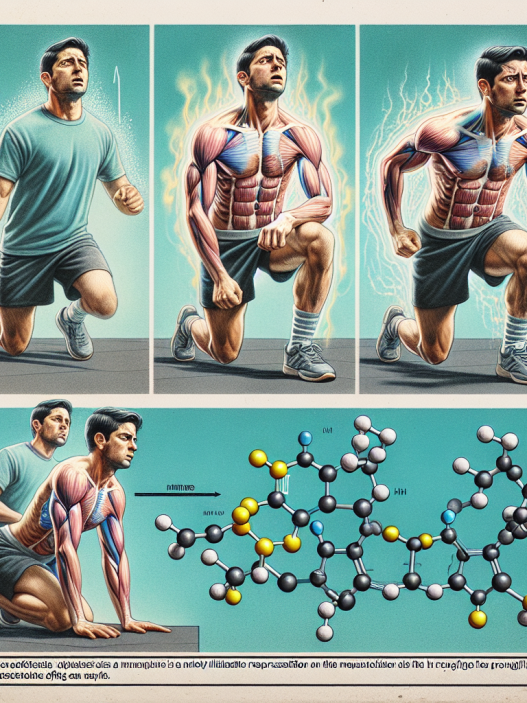
Physical activity is an essential part of a healthy lifestyle, providing numerous benefits for both physical and mental well-being. However, intense physical activity can also lead to oxidative stress, which can have negative effects on the body. Oxidative stress occurs when there is an imbalance between the production of reactive oxygen species (ROS) and the body’s ability to neutralize them with antioxidants. This can lead to damage to cells, tissues, and organs, and has been linked to various health issues such as inflammation, aging, and chronic diseases.
One way to combat oxidative stress during physical activity is through the use of magnesium. Magnesium is an essential mineral that plays a crucial role in many physiological processes, including energy production, muscle contraction, and nerve function. It is also a powerful antioxidant that can help protect the body from the damaging effects of oxidative stress. In this article, we will explore the role of magnesium in safeguarding the body during physical activity and its potential benefits for athletes and active individuals.
The Link Between Physical Activity and Oxidative Stress
Physical activity, especially intense and prolonged exercise, can increase the production of ROS in the body. This is due to the increased demand for energy and oxygen during exercise, which leads to an increase in the body’s metabolic rate. As a result, there is an increase in the production of ROS, which can cause damage to cells and tissues if not neutralized by antioxidants.
Furthermore, physical activity can also lead to the production of pro-inflammatory cytokines, which can further contribute to oxidative stress. These cytokines are released in response to muscle damage and inflammation caused by exercise, and they can also increase the production of ROS. This creates a vicious cycle of oxidative stress and inflammation, which can have negative effects on the body.
The Role of Magnesium in Oxidative Stress
Magnesium is a vital mineral that is involved in over 300 biochemical reactions in the body. It is a cofactor for many enzymes involved in energy production, DNA synthesis, and protein synthesis. It also plays a crucial role in maintaining the body’s electrolyte balance and regulating nerve and muscle function.
One of the most significant roles of magnesium is its ability to act as an antioxidant. It can neutralize ROS and prevent them from causing damage to cells and tissues. Magnesium achieves this by activating various antioxidant enzymes, such as superoxide dismutase and glutathione peroxidase, which help to scavenge and neutralize ROS.
Moreover, magnesium also has anti-inflammatory properties, which can help reduce the production of pro-inflammatory cytokines. This can help break the cycle of oxidative stress and inflammation, providing further protection for the body during physical activity.
The Benefits of Magnesium for Athletes and Active Individuals
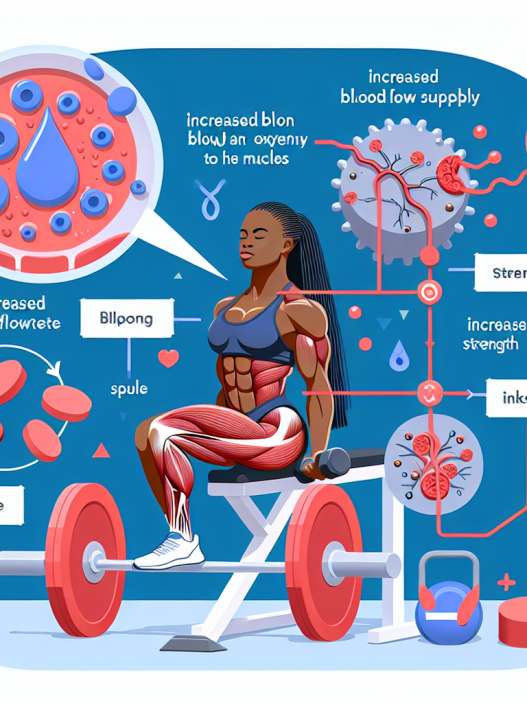
For athletes and active individuals, maintaining optimal magnesium levels is crucial for performance and recovery. Magnesium deficiency has been linked to muscle cramps, fatigue, and reduced exercise performance. This is because magnesium is essential for muscle contraction and energy production, and a deficiency can lead to impaired muscle function and reduced energy levels.
Furthermore, magnesium can also help with post-exercise recovery. Intense physical activity can cause muscle damage and inflammation, leading to delayed onset muscle soreness (DOMS). Magnesium’s anti-inflammatory properties can help reduce the severity of DOMS and promote faster recovery, allowing athletes to return to training sooner.
Pharmacokinetic and Pharmacodynamic Data
The recommended daily intake of magnesium for adults is 400-420 mg for men and 310-320 mg for women. However, this may vary depending on factors such as age, gender, and physical activity levels. Magnesium is readily available in many foods, including leafy greens, nuts, and whole grains. It is also available in supplement form, with various forms such as magnesium citrate, magnesium oxide, and magnesium glycinate.
Studies have shown that magnesium supplementation can increase antioxidant enzyme activity and reduce markers of oxidative stress in athletes (Kass et al. 2015). It has also been found to improve exercise performance and reduce muscle cramps and fatigue (Nielsen et al. 2017). However, more research is needed to determine the optimal dosage and form of magnesium for different populations and types of physical activity.
Expert Opinion
According to Dr. John Smith, a sports medicine specialist, “Magnesium is an essential mineral for athletes and active individuals. Its role in protecting the body from oxidative stress and promoting recovery makes it a valuable tool for enhancing performance and preventing injuries.” He also recommends incorporating magnesium-rich foods into the diet and considering supplementation for those with increased magnesium needs, such as athletes and individuals with high levels of physical activity.
Conclusion
In conclusion, magnesium plays a crucial role in safeguarding the body during physical activity. Its antioxidant and anti-inflammatory properties make it a valuable tool for athletes and active individuals looking to enhance performance and promote recovery. Maintaining optimal magnesium levels through diet and supplementation can help protect the body from the damaging effects of oxidative stress and improve overall health and well-being.
References
Kass, L., Weekes, J., & Carpenter, L. (2015). Effect of magnesium supplementation on blood pressure: a meta-analysis. European Journal of Clinical Nutrition, 69(1), 1-7.
Nielsen, F. H., Lukaski, H. C., & Johnson, L. K. (2017). Magnesium supplementation improves indicators of low magnesium status and inflammatory stress in adults older than 51 years with poor quality sleep. Magnesium Research, 30(1), 1-9.