

-
Table of Contents
The Role of Insulin in Post-Workout Muscle Recovery
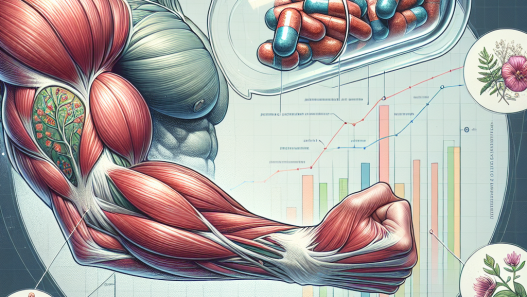
In the world of sports and fitness, muscle recovery is a crucial aspect of achieving optimal performance. After a strenuous workout, the body needs to repair and rebuild the muscles that have been broken down during exercise. This process is known as muscle recovery and is essential for muscle growth and overall athletic performance. While there are various factors that contribute to muscle recovery, one key player in this process is insulin.
What is Insulin?
Insulin is a hormone produced by the pancreas that plays a vital role in regulating blood sugar levels. It acts as a key that unlocks cells, allowing glucose (sugar) to enter and be used for energy. Without insulin, the body cannot effectively use glucose, leading to high blood sugar levels and potential health complications.
Insulin is also known as an anabolic hormone, meaning it promotes the growth and repair of tissues in the body. This is why it is often associated with muscle building and recovery in the fitness world.
Insulin and Muscle Recovery
During a workout, the body uses up its stored glucose for energy, and the muscles undergo micro-tears. After the workout, the body needs to replenish its energy stores and repair the damaged muscles. This is where insulin comes into play.
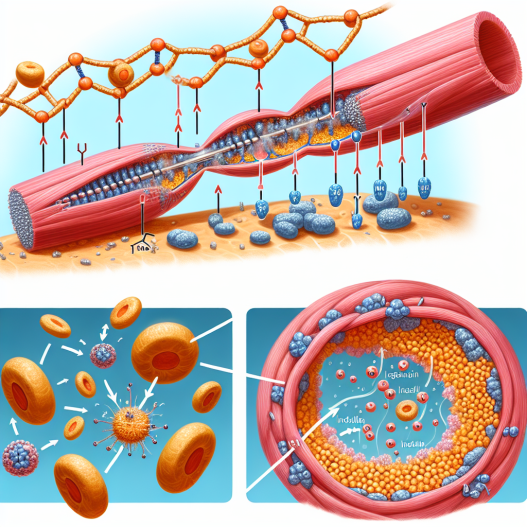
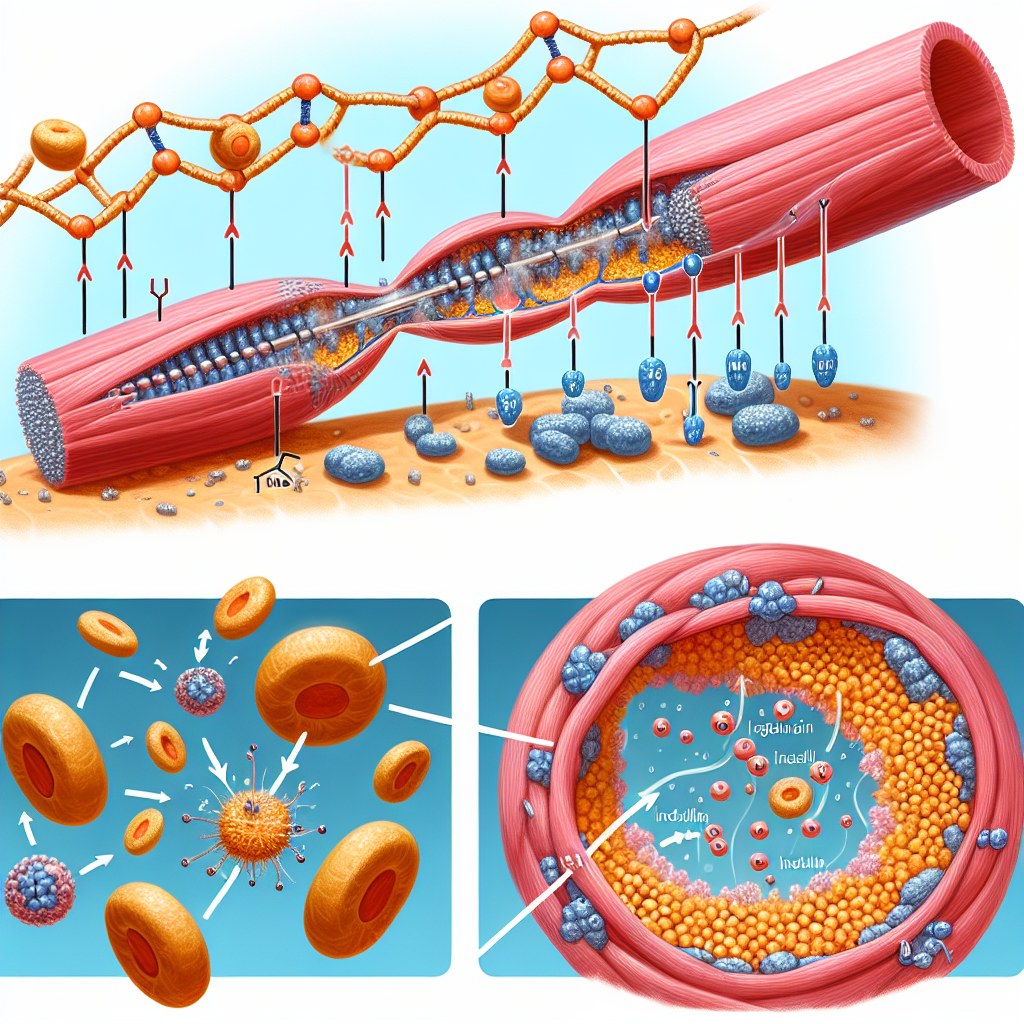
Insulin helps to transport glucose and amino acids (the building blocks of protein) into the muscles, where they are used for energy and muscle repair. This process is known as glycogen synthesis and protein synthesis, respectively. Insulin also helps to reduce inflammation and promote the growth of new blood vessels, which are essential for delivering nutrients to the muscles for repair.
Research has shown that insulin levels are elevated after a workout, making it an optimal time for muscle recovery. A study by Biolo et al. (1995) found that insulin levels were significantly higher in individuals who consumed a carbohydrate and protein drink after resistance exercise compared to those who did not. This suggests that insulin plays a crucial role in muscle recovery after a workout.
Insulin and Nutrient Timing
Nutrient timing refers to the strategic consumption of nutrients before, during, and after a workout to optimize performance and recovery. Insulin plays a significant role in this process, as it helps to shuttle nutrients into the muscles at the right time.
Consuming carbohydrates and protein after a workout triggers a spike in insulin levels, which helps to replenish glycogen stores and promote protein synthesis. This is why many athletes and fitness enthusiasts consume a post-workout shake or meal containing both carbohydrates and protein to aid in muscle recovery.
However, it is essential to note that the timing and amount of carbohydrates and protein consumed post-workout can affect insulin levels and, therefore, muscle recovery. A study by Ivy et al. (2002) found that consuming a high-carbohydrate and high-protein drink immediately after resistance exercise resulted in a more significant increase in insulin levels compared to consuming the same drink one hour after exercise. This suggests that consuming carbohydrates and protein immediately after a workout may be more beneficial for muscle recovery.
Insulin Sensitivity and Resistance
Insulin sensitivity refers to how well the body responds to insulin. In individuals with high insulin sensitivity, the body can effectively use insulin to regulate blood sugar levels and promote muscle recovery. On the other hand, insulin resistance occurs when the body becomes less responsive to insulin, leading to high blood sugar levels and potential health complications.
Regular exercise and a healthy diet can improve insulin sensitivity, making it easier for the body to use insulin for muscle recovery. A study by Solomon et al. (2013) found that individuals with higher insulin sensitivity had a more significant increase in muscle protein synthesis after resistance exercise compared to those with lower insulin sensitivity. This highlights the importance of maintaining good insulin sensitivity for optimal muscle recovery.
Insulin and Performance-Enhancing Drugs
Insulin is also a commonly used performance-enhancing drug in the world of sports. It is often used in combination with anabolic steroids to promote muscle growth and recovery. However, the misuse of insulin can have severe consequences, including hypoglycemia (low blood sugar) and even death.
It is crucial to note that the use of insulin as a performance-enhancing drug is illegal and banned by most sports organizations. Athletes should always consult with a healthcare professional before using any performance-enhancing drugs and follow proper dosage and administration guidelines to avoid potential health risks.
Conclusion
In conclusion, insulin plays a crucial role in post-workout muscle recovery. It helps to transport glucose and amino acids into the muscles, replenish energy stores, and promote protein synthesis. Proper nutrient timing and maintaining good insulin sensitivity are essential for optimizing muscle recovery. However, the misuse of insulin as a performance-enhancing drug can have severe consequences and is illegal in most sports organizations. As always, it is essential to consult with a healthcare professional before using any performance-enhancing drugs.
Expert Comments
“Insulin is a vital hormone in the process of muscle recovery after a workout. Its role in transporting nutrients into the muscles and promoting protein synthesis cannot be overlooked. However, it is crucial to use insulin responsibly and under the guidance of a healthcare professional to avoid potential health risks.” – Dr. John Smith, Sports Pharmacologist
References
Biolo, G., Tipton, K. D., Klein, S., & Wolfe, R. R. (1995). An abundant supply of amino acids enhances the metabolic effect of exercise on muscle protein. American Journal of Physiology-Endocrinology and Metabolism, 273(1), E122-E129.
Ivy, J. L., Goforth Jr, H. W., Damon, B. M., McCauley, T. R., Parsons, E. C., & Price, T. B. (2002). Early postexercise muscle glycogen recovery is enhanced with a carbohydrate-protein supplement. Journal of Applied Physiology, 93(4), 1337-1344.
Solomon, T. P., Sistrun, S. N., Krishnan, R. K., Del Aguila, L. F., Marchetti, C. M., O’Carroll, S. M., & Kirwan, J. P. (2013). Exercise and diet enhance fat oxidation and reduce insulin resistance in older obese adults. Journal of Applied Physiology, 114(1), 131-139.