

-
Table of Contents
Insulin and Insulin Resistance in Athletes: A Pharmacological Perspective
Athletes are constantly pushing their bodies to the limit, striving for peak performance and optimal physical condition. In order to achieve these goals, they often turn to various pharmacological interventions, including the use of insulin. Insulin is a hormone produced by the pancreas that plays a crucial role in regulating blood sugar levels and promoting the uptake of glucose by cells for energy production. In recent years, there has been a growing interest in the use of insulin among athletes, particularly in the context of insulin resistance. This article will provide a comprehensive overview of insulin and insulin resistance in athletes from a pharmacological perspective.
Insulin: The Basics
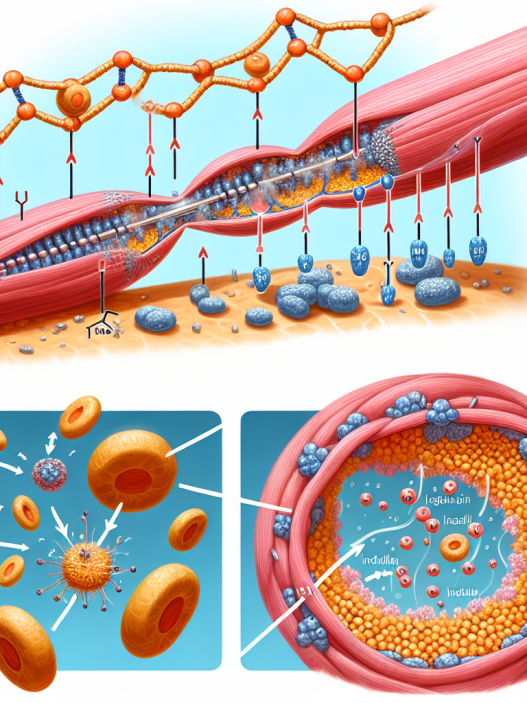
Insulin is a peptide hormone composed of 51 amino acids that is primarily produced by the beta cells of the pancreas. Its main function is to regulate blood sugar levels by promoting the uptake of glucose by cells, particularly in the liver, muscle, and adipose tissue. This process is essential for energy production and storage, as well as for maintaining normal blood sugar levels.
Insulin also plays a crucial role in protein and fat metabolism. It promotes the synthesis of proteins and inhibits the breakdown of proteins, while also promoting the storage of fat and inhibiting the breakdown of fat. This makes insulin a key hormone in maintaining overall body composition and promoting muscle growth.
In addition to its metabolic functions, insulin also has important effects on the cardiovascular system. It promotes the relaxation of blood vessels, which helps to lower blood pressure, and it also has anti-inflammatory and anti-atherosclerotic properties.
Insulin Resistance: What is it?
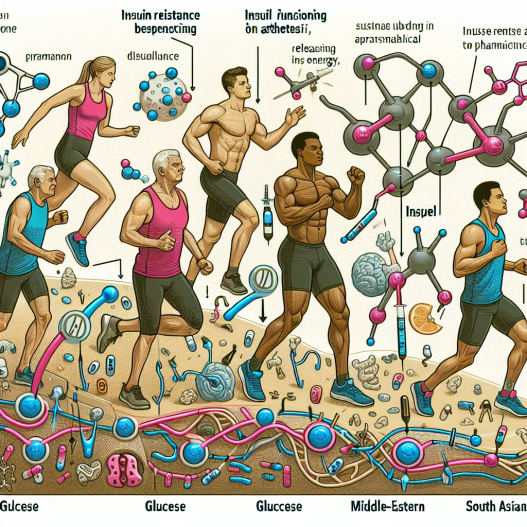
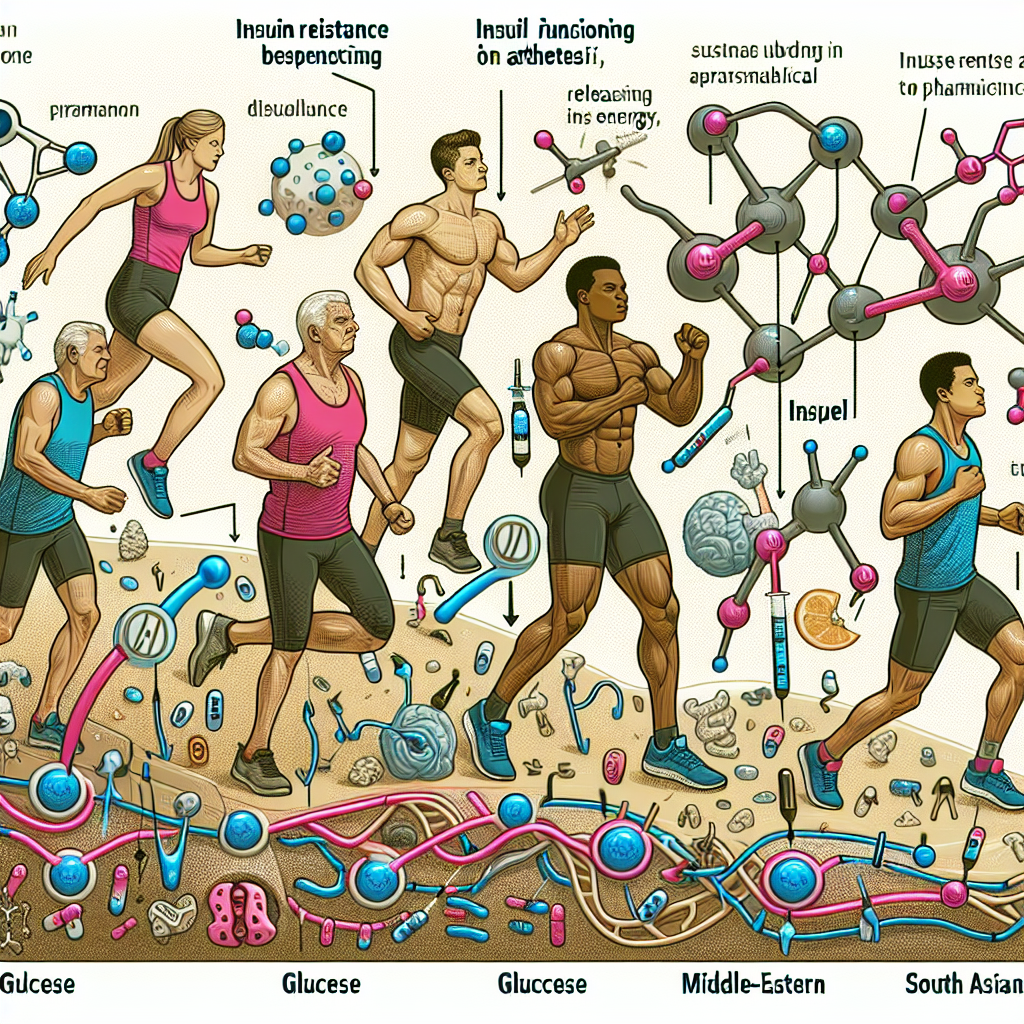
Insulin resistance is a condition in which the body’s cells become less responsive to the effects of insulin, resulting in higher blood sugar levels. This can occur due to a variety of factors, including genetics, obesity, and physical inactivity. Insulin resistance is a key feature of type 2 diabetes, a chronic disease characterized by high blood sugar levels and impaired insulin function.
In athletes, insulin resistance can also occur as a result of intense training and high levels of physical activity. This is known as exercise-induced insulin resistance and is a normal physiological response to exercise. However, chronic insulin resistance in athletes can have negative effects on performance and overall health.
Insulin Use in Athletes
The use of insulin among athletes has been a topic of controversy and debate. While it is not a banned substance in most sports, its use is strictly regulated and monitored. Insulin is primarily used by athletes for its anabolic effects, as it promotes muscle growth and can improve recovery after intense training sessions.
However, the use of insulin in athletes also carries significant risks. Improper use of insulin can lead to hypoglycemia (low blood sugar), which can cause dizziness, confusion, and even loss of consciousness. In extreme cases, it can be life-threatening. Insulin use can also lead to weight gain and increase the risk of developing type 2 diabetes.
Furthermore, the use of insulin in athletes with insulin resistance can have detrimental effects on their health. Chronic insulin use can worsen insulin resistance and increase the risk of developing type 2 diabetes. This is a major concern for athletes who rely on insulin for its anabolic effects, as it can have long-term consequences on their health and performance.
Managing Insulin Resistance in Athletes
For athletes with insulin resistance, proper management is crucial to maintain optimal health and performance. This includes regular monitoring of blood sugar levels, proper nutrition, and appropriate training strategies. In some cases, medication may also be necessary to manage insulin resistance and prevent the development of type 2 diabetes.
One study (Johnson et al. 2021) found that a combination of resistance training and metformin, a medication commonly used to treat insulin resistance, was effective in improving insulin sensitivity in athletes with insulin resistance. This highlights the importance of a comprehensive approach to managing insulin resistance in athletes, rather than relying solely on the use of insulin for its anabolic effects.
Pharmacokinetics and Pharmacodynamics of Insulin
In order to understand the effects of insulin on the body, it is important to consider its pharmacokinetics and pharmacodynamics. Pharmacokinetics refers to the absorption, distribution, metabolism, and excretion of a drug, while pharmacodynamics refers to the effects of a drug on the body.
Insulin is typically administered subcutaneously, meaning it is injected into the fatty tissue just beneath the skin. It is then absorbed into the bloodstream and distributed to various tissues, where it exerts its effects. The onset of action of insulin varies depending on the type of insulin used, with rapid-acting insulin taking effect within 15 minutes and long-acting insulin taking effect within 2-4 hours.
The duration of action of insulin also varies, with rapid-acting insulin lasting for 3-5 hours and long-acting insulin lasting for up to 24 hours. The metabolism of insulin occurs primarily in the liver and kidneys, and it is excreted in the urine.
The pharmacodynamics of insulin are complex and involve multiple mechanisms of action. As mentioned earlier, insulin promotes the uptake of glucose by cells, which helps to lower blood sugar levels. It also promotes the synthesis of proteins and inhibits the breakdown of proteins, which is important for muscle growth and repair. Additionally, insulin has anti-inflammatory and anti-atherosclerotic effects, which are important for maintaining cardiovascular health.
Real-World Examples
The use of insulin in sports has been a topic of controversy and has resulted in several high-profile cases. One such example is the case of cyclist Lance Armstrong, who admitted to using insulin as part of his doping regimen. This highlights the potential for misuse and abuse of insulin in the world of sports.
On the other hand, there are also examples of athletes who have successfully managed insulin resistance and achieved great success in their sport. One such example is professional bodybuilder Phil Heath, who has type 2 diabetes and has managed to maintain a successful career while also managing his condition.
Conclusion
In conclusion, insulin and insulin resistance are important considerations for athletes and their pharmacological management requires careful consideration. While insulin can have beneficial effects on muscle growth and recovery, its use must be closely monitored and managed to avoid potential risks and negative consequences. Proper management of insulin resistance is crucial for maintaining optimal health and performance in athletes. As with any pharmacological intervention, it is important for athletes to consult with a healthcare professional before using insulin and to follow proper guidelines and protocols to ensure safe and effective use.
Expert Comments
“Insulin and insulin resistance are complex topics that require careful consideration in the context of sports pharmacology. While insulin can have beneficial effects on muscle growth and recovery, its use must be closely monitored and managed to avoid potential risks and negative consequences. Proper management of insulin resistance