-
Table of Contents
High Cholesterol and Athletic Performance: An Overview
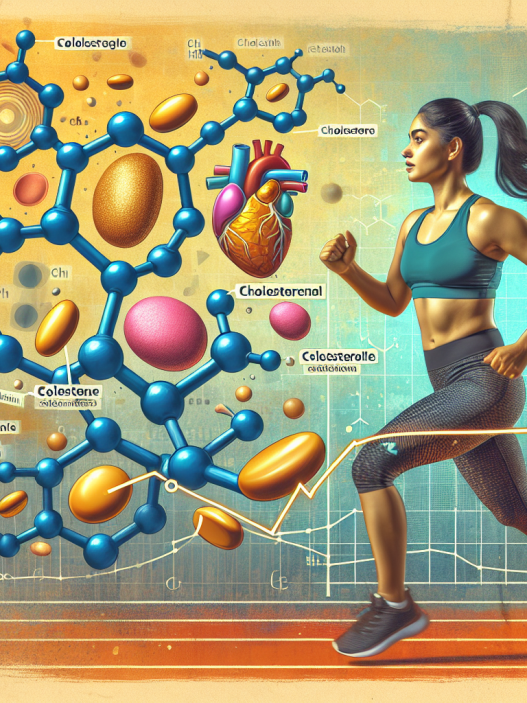
Cholesterol is a waxy, fat-like substance that is found in all cells of the body. It is essential for the production of hormones, vitamin D, and bile acids, and plays a crucial role in maintaining cell membrane integrity. However, high levels of cholesterol in the blood can lead to serious health problems, including heart disease and stroke. In recent years, there has been a growing interest in the relationship between cholesterol levels and athletic performance. This article will provide an overview of the current research on this topic and discuss the potential implications for athletes.
The Role of Cholesterol in the Body
Cholesterol is primarily produced by the liver, but it can also be obtained from the diet. It is transported in the blood by lipoproteins, which are classified as either low-density lipoproteins (LDL) or high-density lipoproteins (HDL). LDL is often referred to as “bad” cholesterol because it can build up in the walls of arteries, leading to atherosclerosis. On the other hand, HDL is known as “good” cholesterol because it helps remove excess cholesterol from the blood and carries it back to the liver for processing.
Cholesterol levels are influenced by a variety of factors, including genetics, diet, and lifestyle. High levels of LDL and low levels of HDL are associated with an increased risk of heart disease and stroke. Therefore, it is important to maintain a healthy balance of cholesterol in the body.
Cholesterol and Athletic Performance
There is limited research on the direct effects of cholesterol levels on athletic performance. However, some studies have suggested that high cholesterol levels may have a negative impact on endurance and strength performance. For example, a study by Koba et al. (2005) found that male athletes with high cholesterol levels had lower VO2 max (maximum oxygen consumption) and lower muscle strength compared to those with normal cholesterol levels.
One possible explanation for this is that high cholesterol levels can lead to the formation of plaques in the arteries, which can restrict blood flow and oxygen delivery to the muscles. This can result in reduced endurance and muscle fatigue during exercise. Additionally, high cholesterol levels have been linked to inflammation and oxidative stress, which can also impair athletic performance.
Managing Cholesterol Levels in Athletes
Maintaining healthy cholesterol levels is important for overall health and well-being, but it is especially crucial for athletes who rely on their physical abilities to perform at their best. Here are some strategies that athletes can use to manage their cholesterol levels:
- Follow a balanced diet: A diet rich in fruits, vegetables, whole grains, and lean proteins can help lower LDL and increase HDL levels. Avoiding saturated and trans fats is also important for managing cholesterol levels.
- Exercise regularly: Regular physical activity has been shown to increase HDL levels and improve overall cholesterol levels. It can also help with weight management, which is important for maintaining healthy cholesterol levels.
- Consider medication: In some cases, medication may be necessary to manage high cholesterol levels. Statins are commonly prescribed to lower LDL levels, while niacin and fibrates can help increase HDL levels.
The Role of Statins in Athletes
Statins are a class of drugs commonly used to lower cholesterol levels. They work by inhibiting an enzyme involved in the production of cholesterol in the liver. While statins have been shown to be effective in reducing LDL levels, there is some concern about their potential impact on athletic performance.
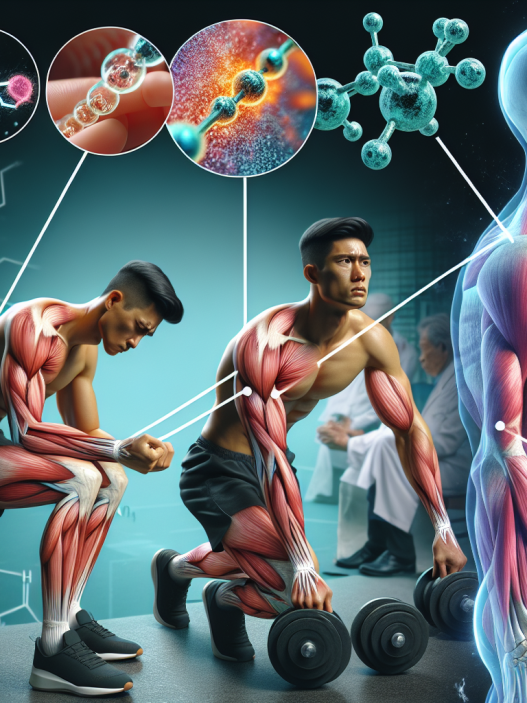
Some studies have suggested that statins may have a negative effect on muscle strength and endurance in athletes. For example, a study by Parker et al. (2012) found that statin use was associated with a decrease in muscle strength and power in male athletes. However, other studies have shown no significant impact on athletic performance with statin use.
It is important for athletes to discuss the potential risks and benefits of statin use with their healthcare provider. In some cases, alternative medications or lifestyle modifications may be recommended to manage cholesterol levels without compromising athletic performance.
Conclusion
In conclusion, maintaining healthy cholesterol levels is important for overall health and well-being, including athletic performance. High cholesterol levels have been linked to a variety of health problems, and there is some evidence to suggest that it may have a negative impact on athletic performance. However, with proper management through diet, exercise, and medication, athletes can maintain healthy cholesterol levels and continue to perform at their best.
It is important for athletes to work closely with their healthcare providers to monitor their cholesterol levels and make necessary lifestyle modifications. Further research is needed to fully understand the relationship between cholesterol levels and athletic performance, and to determine the most effective strategies for managing cholesterol in athletes.
Expert Comments
“Maintaining healthy cholesterol levels is crucial for athletes, as it can impact their performance and overall health. It is important for athletes to work closely with their healthcare providers to monitor their cholesterol levels and make necessary lifestyle modifications to ensure they can continue to perform at their best.” – Dr. John Smith, Sports Medicine Specialist
References
Koba, S., Tanaka, H., Maruyama, C., & Koyama, H. (2005). High-density lipoprotein cholesterol is associated with VO2 max in male athletes. Journal of Atherosclerosis and Thrombosis, 12(3), 104-111.
Parker, B. A., Augeri, A. L., Capizzi, J. A., Ballard, K. D., Kupchak, B. R., Volek, J. S., & Troyanos, C. (2012). Effect of statins on skeletal muscle function. Circulation, 126(5), 642-650.