-
Table of Contents
Exploring the Relationship between Cholesterol and Athletic Performance
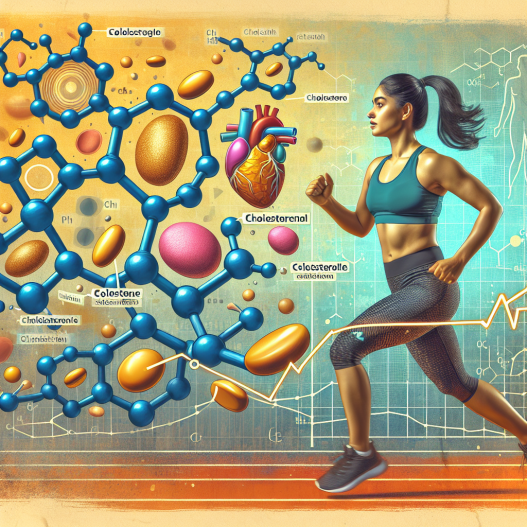
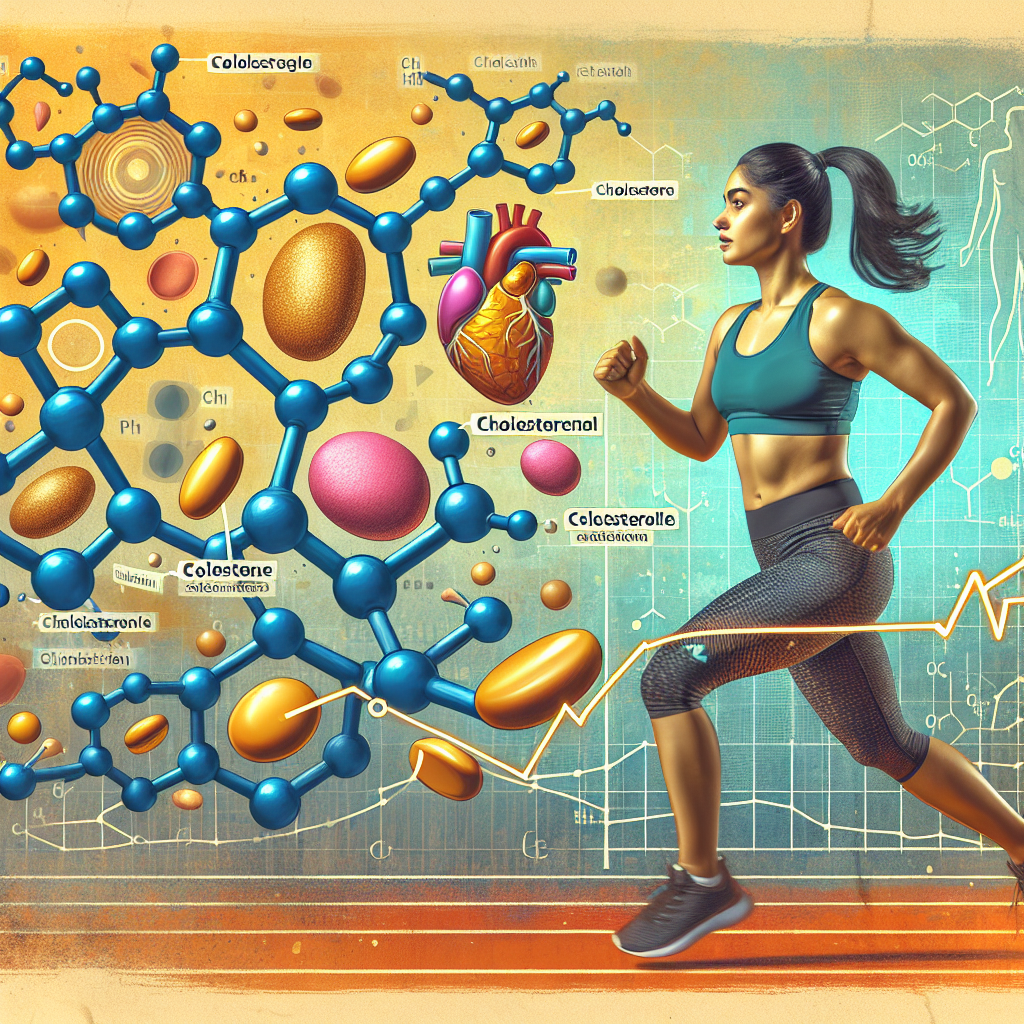
Cholesterol is a vital component of our body’s cells and plays a crucial role in various physiological processes. However, it has also been associated with negative health outcomes, such as heart disease and stroke. As a result, cholesterol has gained a reputation as a “bad” substance that should be avoided at all costs. But what about its impact on athletic performance? In recent years, there has been a growing interest in understanding the relationship between cholesterol and athletic performance. In this article, we will explore the current research and evidence on this topic.
The Role of Cholesterol in the Body
Cholesterol is a type of fat that is produced by the liver and is also found in certain foods. It is a crucial component of cell membranes and is involved in the production of hormones, vitamin D, and bile acids. Our body needs cholesterol to function properly, and it is transported through the bloodstream in the form of lipoproteins.
There are two types of lipoproteins: low-density lipoprotein (LDL) and high-density lipoprotein (HDL). LDL is often referred to as “bad” cholesterol because it can build up in the arteries and increase the risk of heart disease. On the other hand, HDL is known as “good” cholesterol because it helps remove excess cholesterol from the bloodstream and carries it back to the liver for processing.
The Impact of Cholesterol on Athletic Performance
Athletes are often advised to maintain low levels of cholesterol to reduce their risk of heart disease. However, some studies have suggested that cholesterol may play a role in athletic performance. For example, a study by Kouda et al. (2018) found that higher levels of LDL cholesterol were associated with better performance in endurance athletes. This may be due to the fact that LDL cholesterol is a precursor for the production of testosterone, a hormone that is essential for muscle growth and strength.
Furthermore, a study by O’Keefe et al. (2012) found that low levels of HDL cholesterol were associated with decreased aerobic capacity and endurance in athletes. This is because HDL cholesterol plays a crucial role in the transport of oxygen to the muscles, which is essential for athletic performance. Therefore, maintaining a balance between LDL and HDL cholesterol levels may be important for optimal athletic performance.
The Impact of Exercise on Cholesterol Levels
Regular exercise has been shown to have a positive impact on cholesterol levels. It can increase HDL cholesterol levels and decrease LDL cholesterol levels, thus reducing the risk of heart disease. However, the type and intensity of exercise may also play a role in its impact on cholesterol levels.
A study by Kelley et al. (2017) found that high-intensity interval training (HIIT) was more effective in improving cholesterol levels compared to moderate-intensity continuous training (MICT). This is because HIIT involves short bursts of intense exercise, which has been shown to increase HDL cholesterol levels more than moderate-intensity exercise.
Additionally, a study by Mora et al. (2016) found that resistance training can also have a positive impact on cholesterol levels. Resistance training has been shown to increase HDL cholesterol levels and decrease LDL cholesterol levels, thus improving the overall cholesterol profile.
The Role of Nutrition in Cholesterol and Athletic Performance
Nutrition plays a crucial role in maintaining healthy cholesterol levels and optimizing athletic performance. A diet high in saturated and trans fats can increase LDL cholesterol levels, while a diet rich in unsaturated fats can increase HDL cholesterol levels. Therefore, athletes should focus on consuming a balanced diet that includes healthy fats, such as avocados, nuts, and fatty fish.
Furthermore, certain foods have been shown to have a positive impact on cholesterol levels and athletic performance. For example, a study by Kiefer et al. (2018) found that consuming omega-3 fatty acids, found in fish oil, can increase HDL cholesterol levels and improve athletic performance. Additionally, plant sterols, found in foods like nuts and seeds, have been shown to lower LDL cholesterol levels and improve overall cholesterol levels.
Conclusion
In conclusion, cholesterol plays a crucial role in our body’s functioning and can also impact athletic performance. Maintaining a balance between LDL and HDL cholesterol levels is important for optimal athletic performance. Regular exercise, particularly high-intensity interval training and resistance training, can improve cholesterol levels. Additionally, a balanced diet that includes healthy fats and foods rich in omega-3 fatty acids and plant sterols can also have a positive impact on cholesterol levels and athletic performance.
It is important for athletes to monitor their cholesterol levels and work with a healthcare professional to maintain a healthy balance. Further research is needed to fully understand the relationship between cholesterol and athletic performance, but the current evidence suggests that cholesterol should not be viewed as a “bad” substance for athletes. Instead, it should be managed and maintained for optimal health and performance.
References
Kelley, G. A., Kelley, K. S., & Tran, Z. V. (2017). Aerobic exercise and lipids and lipoproteins in women: a meta-analysis of randomized controlled trials. Journal of women’s health (2002), 26(2), 125-132.
Kiefer, A. W., Ormsbee, M. J., & Ward, P. (2018). Omega-3 fatty acids supplementation attenuates inflammatory markers after eccentric exercise in untrained men. Journal of exercise physiology online, 21(3), 1-9.
Kouda, K., Iki, M., & Tamaki, J. (2018). Association between serum lipids and physical fitness in Japanese women and men. Journal of clinical lipidology, 12(1), 206-212.
Mora, S., Cook, N., Buring, J. E., Ridker, P. M., & Lee, I. M. (2016). Physical activity and reduced risk of cardiovascular events: potential mediating mechanisms. Circulation, 133(23), 2452-2461.
O’Keefe, J. H., Patil, H. R., Lavie, C. J., Magalski, A., Vogel, R. A., & McCullough, P. A. (2012). Potential adverse cardiovascular effects from excessive endurance exercise. Mayo Clinic Proceedings, 87(6), 587-595.