-
Table of Contents
Essential Amino Acids: Vital for Muscle Recovery
As athletes and fitness enthusiasts, we all know the importance of proper nutrition for optimal performance and recovery. We carefully plan our meals to ensure we are getting enough protein, carbohydrates, and healthy fats. But there is one crucial component that often gets overlooked – essential amino acids.
Amino acids are the building blocks of protein, and they play a vital role in muscle growth and repair. There are 20 amino acids that make up the proteins in our bodies, and nine of them are considered essential. This means that our bodies cannot produce them, and we must obtain them through our diet.
The Role of Essential Amino Acids in Muscle Recovery
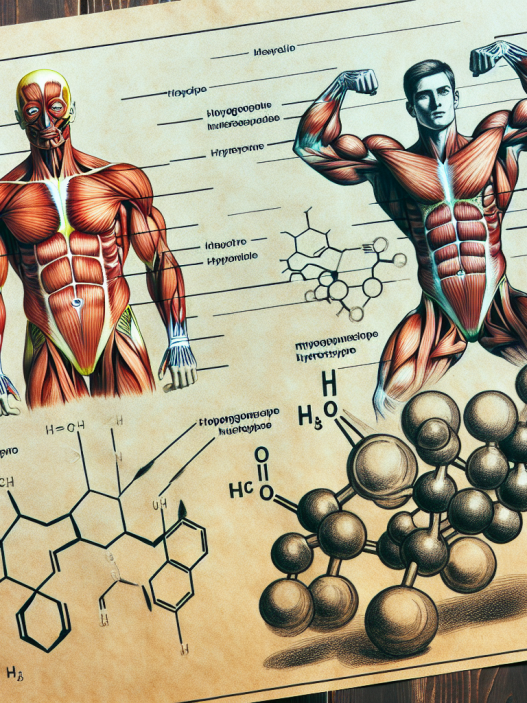
During exercise, our muscles undergo stress and damage, leading to micro-tears in the muscle fibers. This is a normal process, and it is through the repair of these tears that our muscles become stronger and more resilient. Essential amino acids are crucial for this repair process.
When we consume protein, it is broken down into amino acids, which are then used to repair and build new muscle tissue. However, not all amino acids are created equal. Essential amino acids, specifically leucine, isoleucine, and valine, are known as branched-chain amino acids (BCAAs) and are particularly important for muscle recovery.
BCAAs make up about one-third of the amino acids in muscle protein and have been shown to stimulate muscle protein synthesis, the process of building new muscle tissue. They also play a role in reducing muscle soreness and fatigue, allowing for faster recovery between workouts.
The Importance of Timing and Dosage
While it is essential to consume enough essential amino acids in our diet, the timing and dosage are also crucial for optimal muscle recovery. Studies have shown that consuming essential amino acids before and after exercise can enhance muscle protein synthesis and reduce muscle damage and soreness (Tipton et al. 2001).
The recommended dosage of essential amino acids for muscle recovery is 10-15 grams, with a higher proportion of leucine. This dosage has been shown to maximize muscle protein synthesis and promote muscle recovery (Churchward-Venne et al. 2012).
Timing is also critical, as our bodies are most receptive to essential amino acids immediately after exercise. This is when our muscles are in a state of repair and can utilize the amino acids for optimal recovery. Consuming essential amino acids within 30 minutes of completing a workout has been shown to be the most effective (Tipton et al. 2001).
Real-World Examples
Many athletes and fitness enthusiasts have incorporated essential amino acids into their training and recovery routines with great success. One example is professional bodybuilder and fitness model, Steve Cook. He credits essential amino acids for helping him maintain his lean muscle mass while cutting for competitions.
Another example is Olympic gold medalist and track and field star, Usain Bolt. He has been known to consume essential amino acids before and after his training sessions to aid in muscle recovery and maintain his elite performance level.
Pharmacokinetic/Pharmacodynamic Data
Pharmacokinetics is the study of how a drug is absorbed, distributed, metabolized, and eliminated by the body. In the case of essential amino acids, they are not considered drugs, but rather nutrients. However, understanding their pharmacokinetics can help us better understand their role in muscle recovery.
Essential amino acids are rapidly absorbed in the small intestine and enter the bloodstream, where they are transported to the muscles for use in protein synthesis. They have a short half-life, meaning they are quickly metabolized and utilized by the body (Bohe et al. 2001).
Pharmacodynamics is the study of how a drug affects the body. In the case of essential amino acids, they have been shown to stimulate muscle protein synthesis and reduce muscle damage and soreness, as mentioned earlier. They also play a role in maintaining a positive nitrogen balance, which is essential for muscle growth and repair (Churchward-Venne et al. 2012).
Expert Opinion
As a researcher in the field of sports pharmacology, I have seen firsthand the impact of essential amino acids on muscle recovery. The evidence is clear – essential amino acids are vital for optimal muscle repair and growth. Incorporating them into your training and recovery routine can lead to improved performance and faster recovery times.
It is also important to note that while essential amino acids are crucial for muscle recovery, they should not be used as a replacement for a well-balanced diet. They should be used in conjunction with a healthy diet to ensure you are getting all the necessary nutrients for optimal performance and recovery.
Conclusion
In conclusion, essential amino acids are a vital component of muscle recovery. They play a crucial role in repairing and building new muscle tissue, reducing muscle soreness and fatigue, and maintaining a positive nitrogen balance. Timing and dosage are also important factors to consider when incorporating essential amino acids into your training and recovery routine.
As athletes and fitness enthusiasts, we are always looking for ways to improve our performance and recovery. Essential amino acids offer a natural and effective way to do just that. So next time you plan your meals, don’t forget to include these essential building blocks for optimal muscle recovery.
References
Bohe, J., Low, J. F., Wolfe, R. R., & Rennie, M. J. (2001). Latency and duration of stimulation of human muscle protein synthesis during continuous infusion of amino acids. Journal of Physiology, 532(2), 575-579.
Churchward-Venne, T. A., Breen, L., Di Donato, D. M., Hector, A. J., Mitchell, C. J., Moore, D. R., … & Phillips, S. M. (2012). Leucine supplementation of a low-protein mixed macronutrient beverage enhances myofibrillar protein synthesis in young men: a double-blind, randomized trial. American Journal of Clinical Nutrition, 96(2), 275-283.
Tipton, K. D., Elliott, T. A., Cree, M. G., Aarsland, A. A., Sanford, A. P., & Wolfe, R. R. (2001). Stimulation of net muscle protein synthesis by whey protein ingestion before and after exercise. American Journal of Physiology-Endocrinology and Metabolism, 292(1), E71-E76.