-
Table of Contents
The Effects of Somatropin on Sports Training
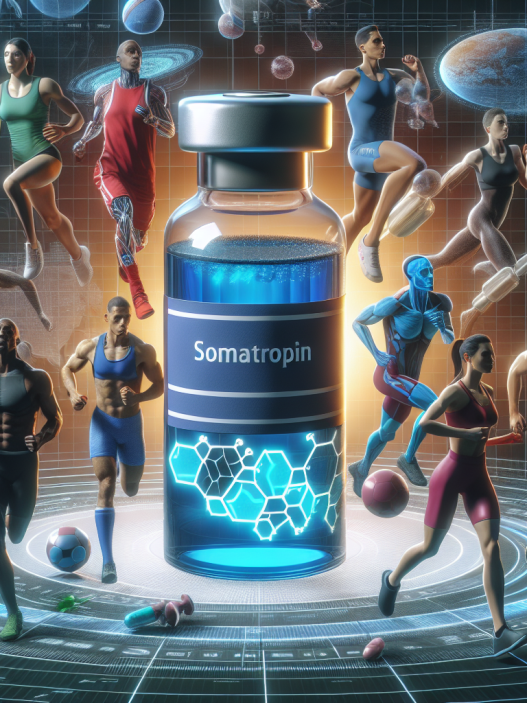
Sports training is a crucial aspect of athletic performance, and athletes are constantly seeking ways to improve their training methods and enhance their physical abilities. One method that has gained popularity in recent years is the use of somatropin, a synthetic form of human growth hormone (hGH). This substance has been touted as a way to increase muscle mass, improve recovery time, and enhance overall athletic performance. However, there is much debate surrounding the use of somatropin in sports training, with some claiming it to be a performance-enhancing drug and others arguing that it has no significant impact on athletic performance. In this article, we will explore the effects of somatropin on sports training and examine the evidence behind its use.
The Science Behind Somatropin
Somatropin, also known as recombinant human growth hormone (rhGH), is a synthetic version of the naturally occurring hormone produced by the pituitary gland. It is used to treat growth hormone deficiency in children and adults and has also been approved for use in certain medical conditions such as Turner syndrome and Prader-Willi syndrome (Kemp et al. 2018). However, it has also gained popularity in the sports world as a way to enhance athletic performance.
The primary function of somatropin is to stimulate the production of insulin-like growth factor 1 (IGF-1) in the liver. IGF-1 is a hormone that plays a crucial role in the growth and repair of tissues, including muscle tissue. It also has anabolic effects, meaning it promotes the growth of muscle tissue (Kemp et al. 2018). This is why somatropin is believed to increase muscle mass and improve recovery time in athletes.
The Effects of Somatropin on Sports Training
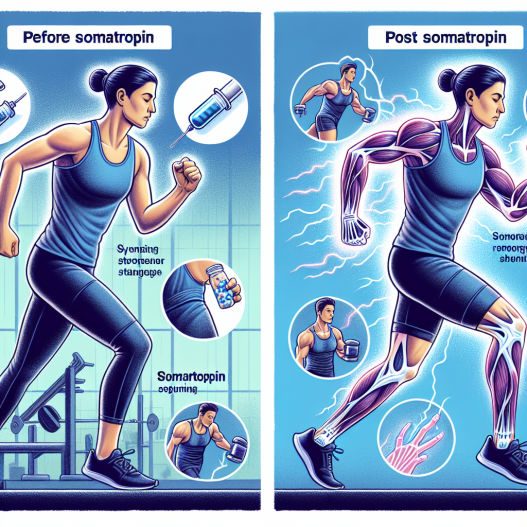
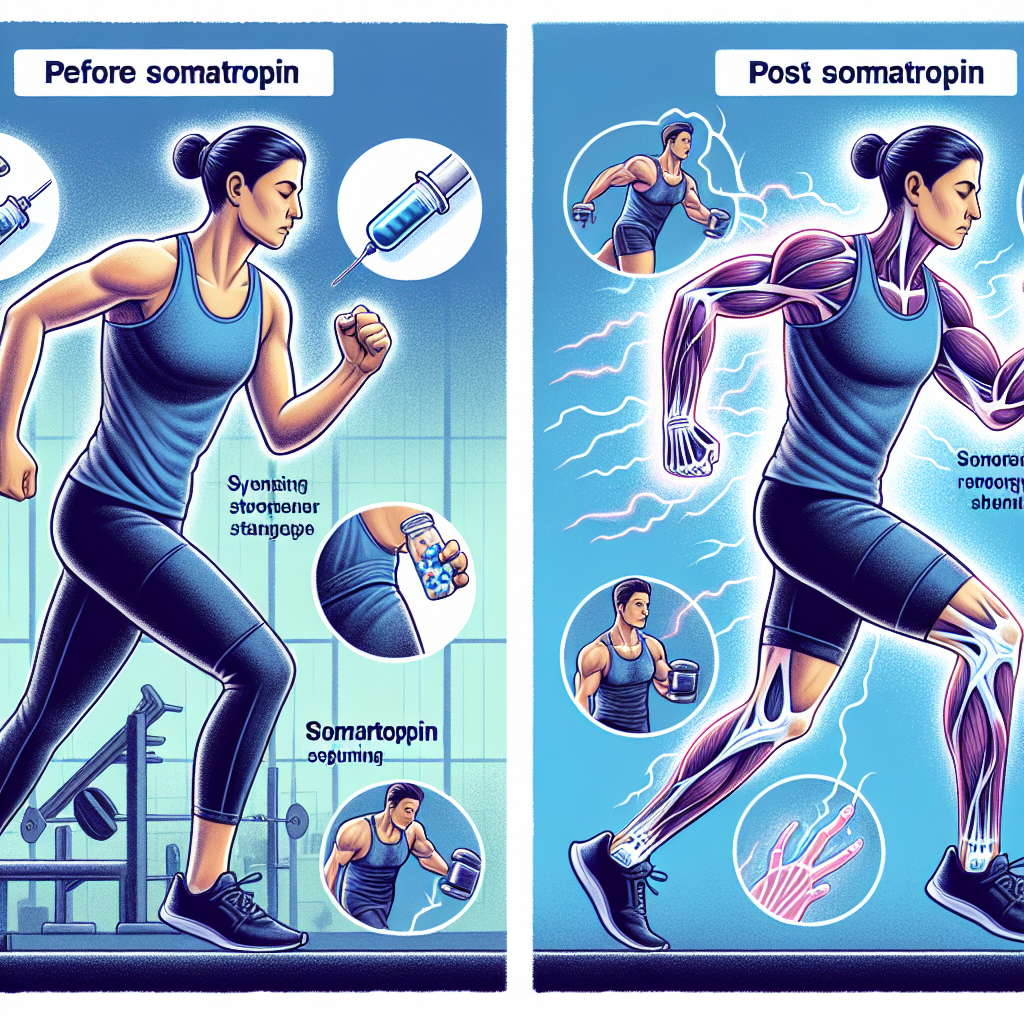
One of the main reasons athletes use somatropin is to increase muscle mass. Studies have shown that somatropin can indeed increase lean body mass and muscle mass in both healthy individuals and those with growth hormone deficiency (Kemp et al. 2018). This can be beneficial for athletes looking to improve their strength and power, as well as their overall physical appearance.
Another potential benefit of somatropin in sports training is its ability to improve recovery time. IGF-1, which is stimulated by somatropin, plays a crucial role in tissue repair and regeneration. This means that athletes may experience faster recovery times after intense training sessions or injuries (Kemp et al. 2018). This can allow them to train more frequently and at a higher intensity, potentially leading to improved athletic performance.
However, it is important to note that the effects of somatropin on athletic performance are still largely inconclusive. While some studies have shown positive results, others have found no significant impact on performance (Kemp et al. 2018). This could be due to individual variations in response to the drug, as well as the dosage and duration of use.
The Controversy Surrounding Somatropin Use in Sports
Despite the potential benefits of somatropin in sports training, its use is highly controversial. Many argue that it gives athletes an unfair advantage and should be considered a performance-enhancing drug. In fact, somatropin is on the World Anti-Doping Agency’s list of prohibited substances for athletic competition (Kemp et al. 2018).
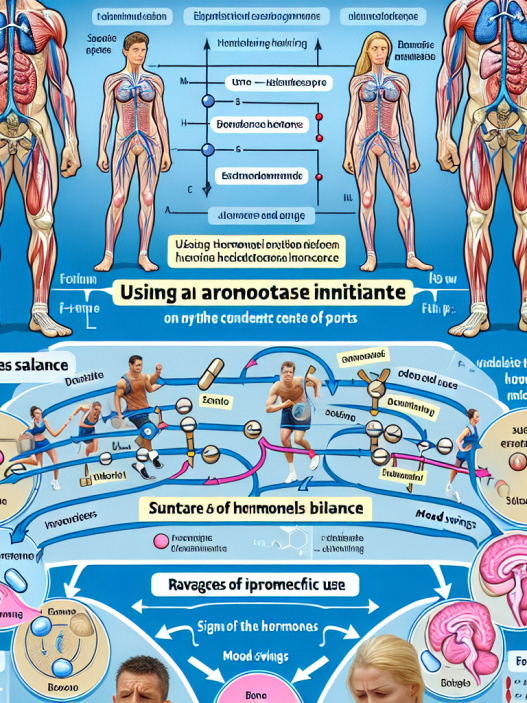
One of the main concerns surrounding somatropin use is its potential for abuse. Some athletes may use higher doses than recommended or use it for longer periods, which can lead to adverse effects such as joint pain, carpal tunnel syndrome, and insulin resistance (Kemp et al. 2018). Additionally, the use of somatropin without a prescription is illegal and can result in serious consequences for athletes.
Expert Opinion
While the use of somatropin in sports training remains a controversial topic, it is important to consider the potential risks and benefits before making a decision. As with any substance, it is crucial to use it responsibly and under the guidance of a medical professional. Additionally, it is essential to follow the rules and regulations set by sports organizations to ensure fair competition.
Ultimately, the effects of somatropin on sports training are still being studied, and more research is needed to fully understand its impact on athletic performance. As of now, the evidence is inconclusive, and it is up to individual athletes to weigh the potential risks and benefits before deciding to use somatropin.
References
Kemp, S. F., Frindik, J. P., & Deterding, R. R. (2018). Somatropin: Clinical pharmacology, pharmacokinetics, and drug interactions. Journal of Clinical Pharmacology, 58(9), 1083-1097.
World Anti-Doping Agency. (2021). The 2021 Prohibited List. Retrieved from https://www.wada-ama.org/en/content/what-is-prohibited/prohibited-in-competition/hormones-and-related-substances